SPAIN
Exploring Castilla y León from Madrid
Tailor-made tour of Castile
Sometimes you don't need the coast or the big “classics” to be surprised by Spain. From Madrid you drive into a completely different Spain in no time: authentic, historic, gastronomic and free of mass tourism.
For a reunion with friends from America we met at Madrid-Barajas Airport, got into our rental car and headed rumbo to Castilla y León. Six days later we came back with heads full of golden evening light, imposing cathedrals and tables laden with wine and tapas.
When to go?
It was early March and the weather was glorious: an almost constantly bright blue sky, lunch on a sunny terrace every day and pleasant evening strolls, jacket on, to local restaurants. Late winter, early spring and autumn are ideal: pleasant temperatures and fewer crowds.
Salamanca: golden stones and student life
Our first stop was Salamanca, Spain's oldest university city and one of the oldest in Europe. For me it felt like a happy reunion: a looooong time ago I took a Spanish language course here. Back then cars still drove right through the old town, and there were a few districts you'd better avoid. Today it is completely different. Since Salamanca was European Capital of Culture in 2002, the historic centre has been beautifully restored. The warm sand-coloured stones give the city a golden glow, especially at sunset. What you absolutely must not miss:
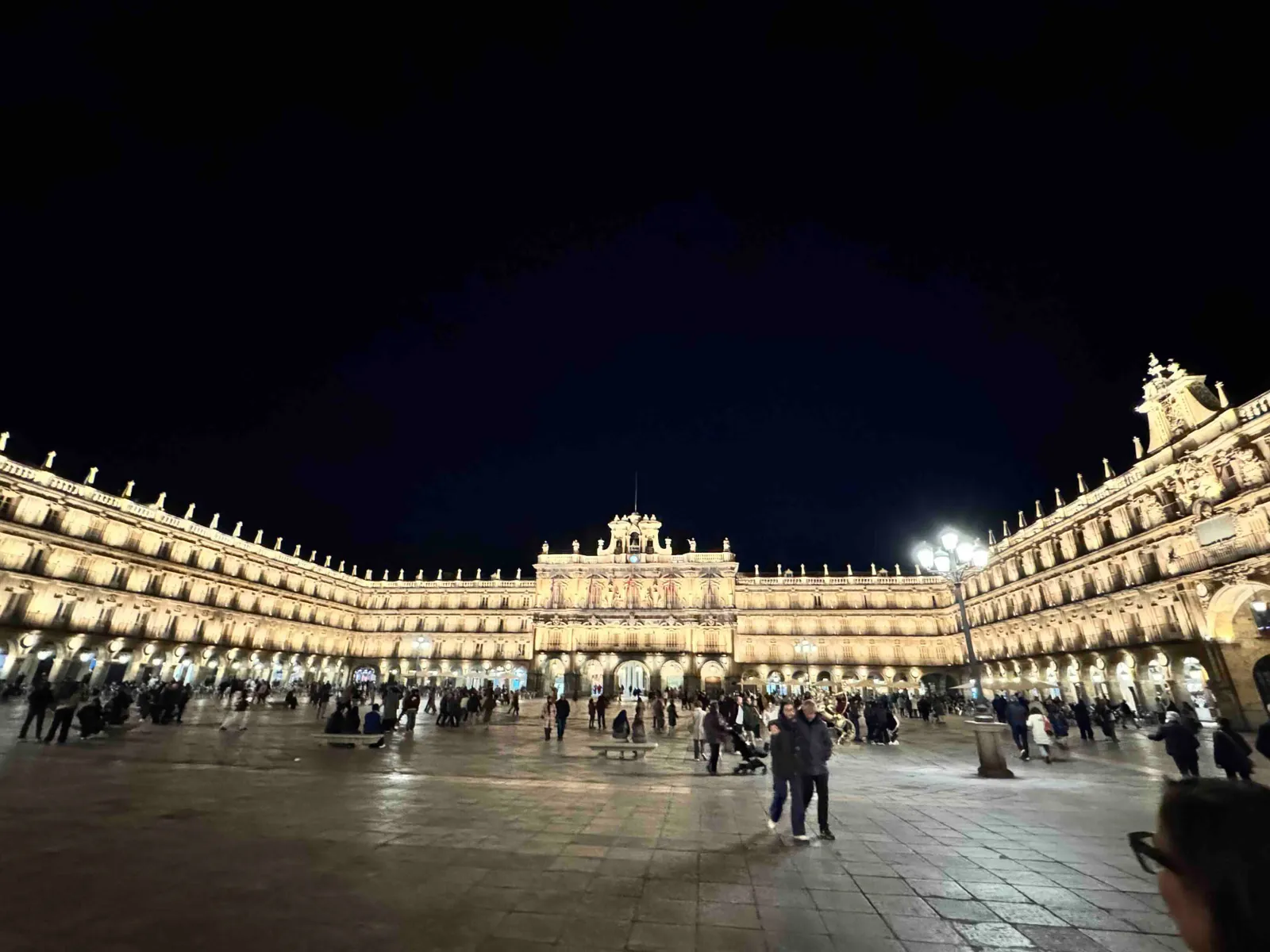
Plaza Mayor
One of the most beautiful squares in Spain. Remarkably, it is a trapezium, not a perfect square. Bullfights were even held here in the past. Today it is the ideal place for a coffee, a glass of wine or a late-night tinto de verano.
University quarter
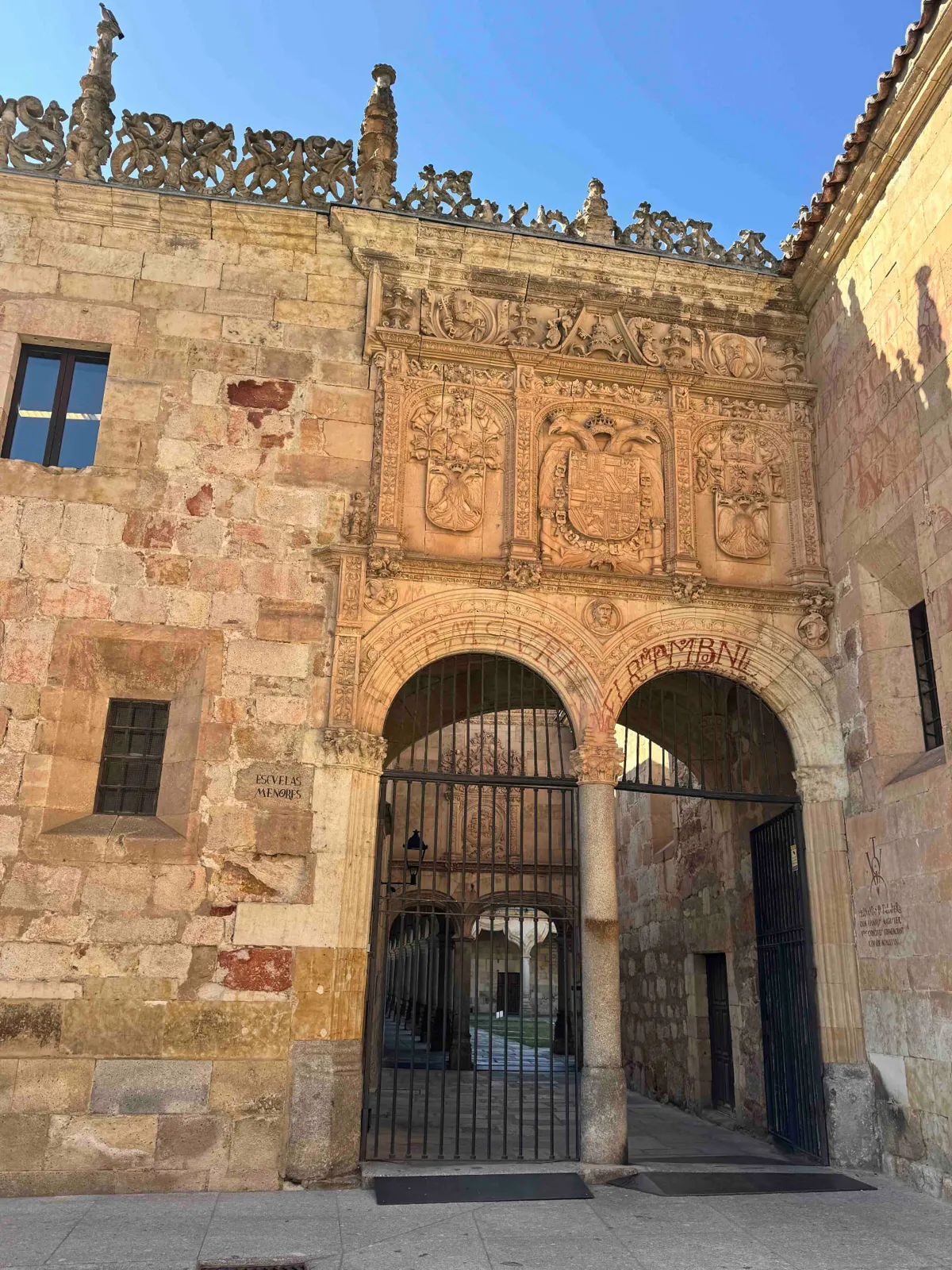
The university façade with its rich sculptures, the famous Casa de las Conchas (House of Shells), the patio of the Escuela de Menores, the library and the church towers of La Clerecía: perfect for wandering around aimlessly.
The cathedral
There are actually two cathedrals side by side, the old and the new. Inside is an impressive labyrinth of chapels, paintings and altarpieces.
Convent of San Esteban
A magnificent Renaissance convent where Christopher Columbus came to ask for funding for his voyage of discovery to America. Later he also came to claim his reward from the same Spanish monarchs, but that story ended less well. The atmosphere in Salamanca is relaxed and lively at the same time, thanks to the many students. Everywhere you find cosy bars for a plate of cheese, tapas or a little something, and in the evening there is a wide choice of restaurants. We stayed at the Palacio de San Esteban (5*). A very beautiful hotel with a fantastic breakfast, lovely service and a perfect location for exploring everything on foot.
Zamora: aperitif, stroll and dining underground
Zamora is what you could safely call “cute”: compact, quiet and with an old town overlooking the Duero river from on high. You don't necessarily need to stay overnight; half a day or an evening is already a lovely introduction. We opted for a late-afternoon walk through the old town, past Romanesque churches and narrow streets; an aperitif with a view of the river and then... a bodegón. A bodegón is a traditional eating and wine cellar, often just outside the city walls. You descend deep underground down cool stone steps and arrive in a rustic space full of wine barrels, wooden tables and thick walls. Here you eat simple but tasty regional dishes, served with local wine, far from daylight. Intimate, atmospheric and very local.
Ribera del Duero: wine paradise along the river
About an hour and a half's drive from Salamanca you reach the Ribera del Duero, a drier, rolling region along the Duero river. Here everything revolves around wine.
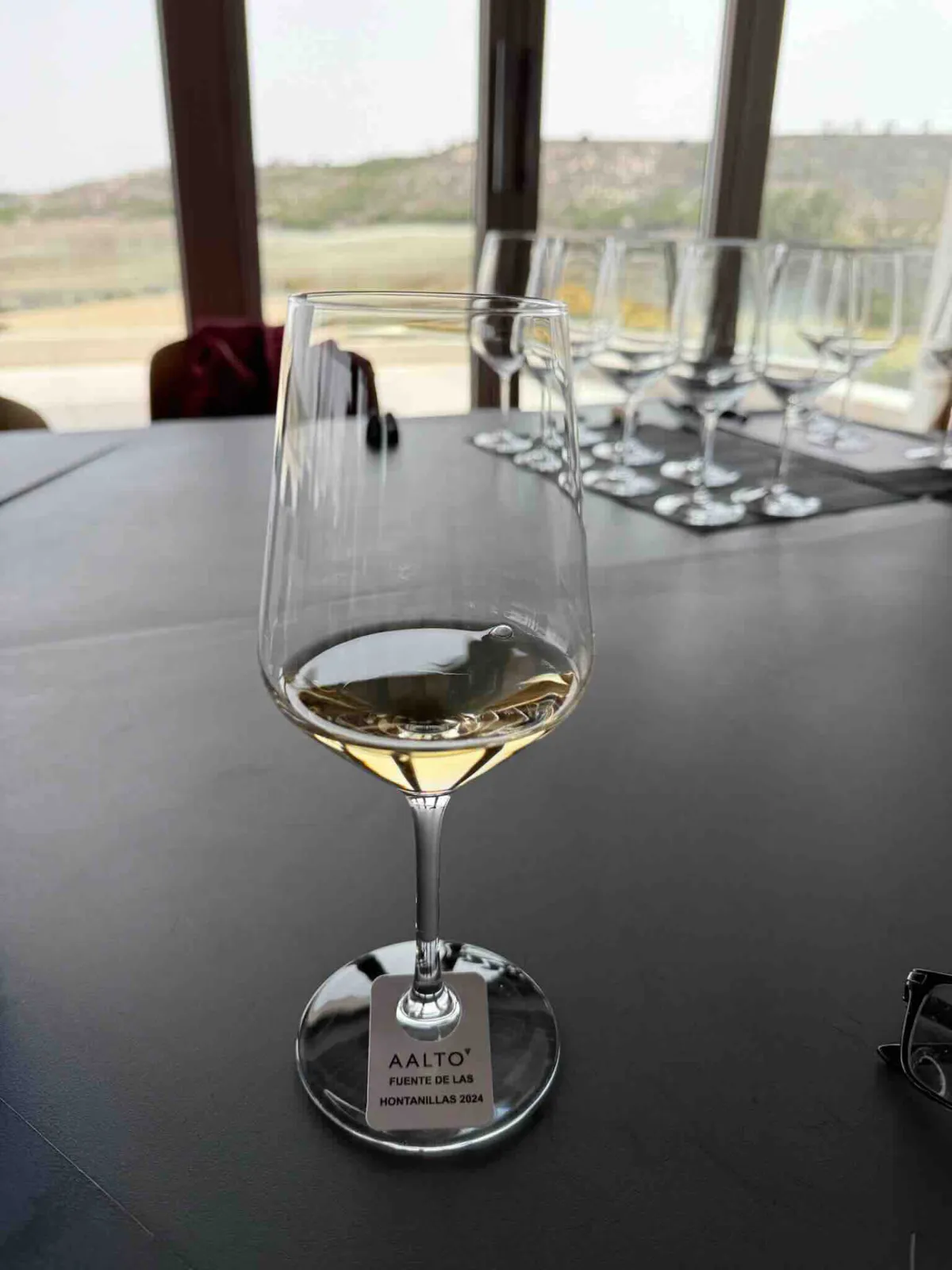
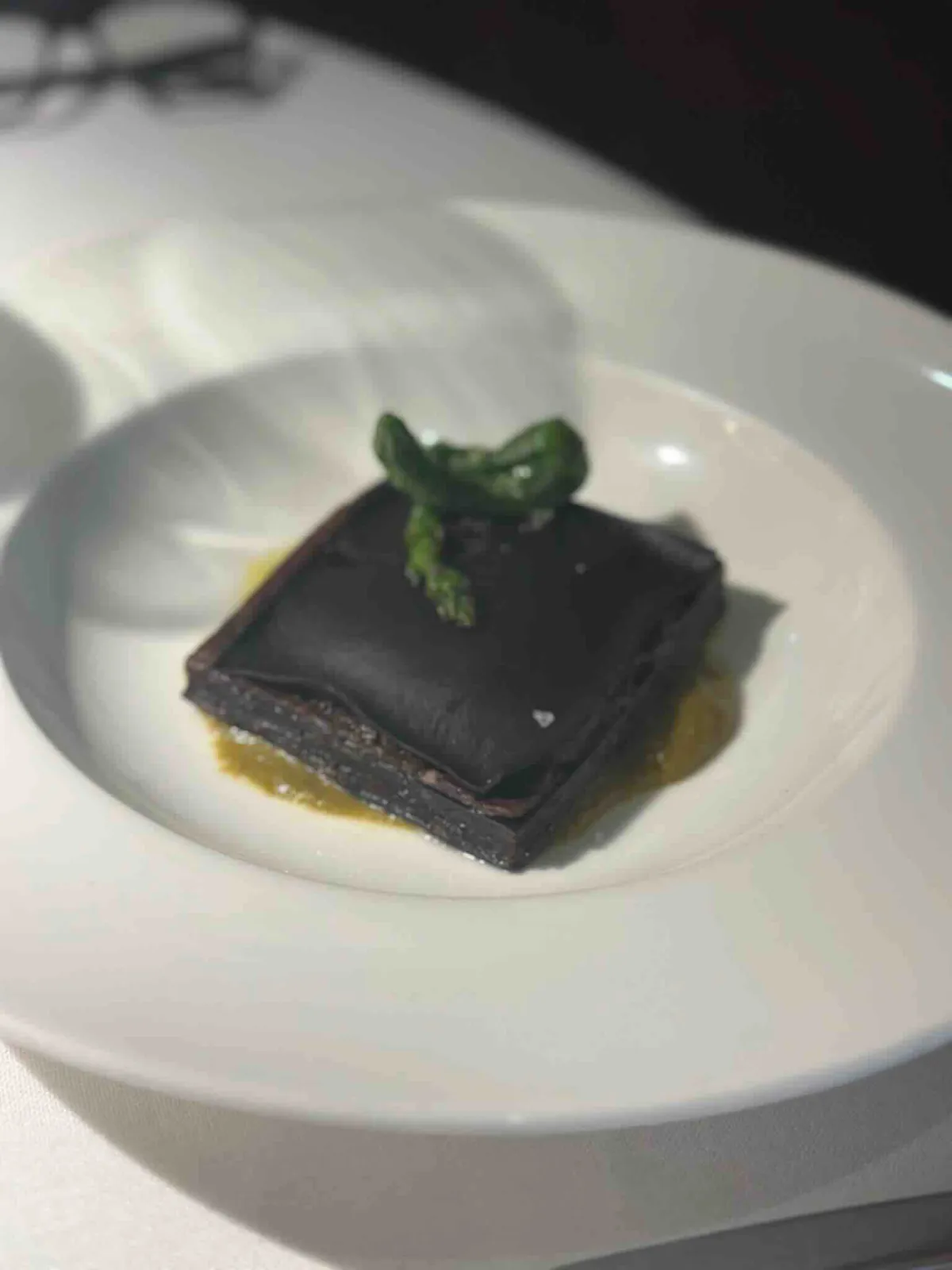
Since the 1980s this region has gained international fame as a top wine area. The name that rings a bell for many is Vega Sicilia, one of Spain's most iconic and expensive wines. But that is just one house: everywhere you find bodegas and local wineries producing superb wines on this seemingly barren soil. Enjoying the gastronomy: we ate superbly, for example, at Fuente de la Aceña, a riverside restaurant where fine cuisine and an extensive wine list go hand in hand. Pig's ears and trotters and black pudding are on the menu here, but prepared gastronomically 😊
Burgos: Gothic grandeur on the Camino
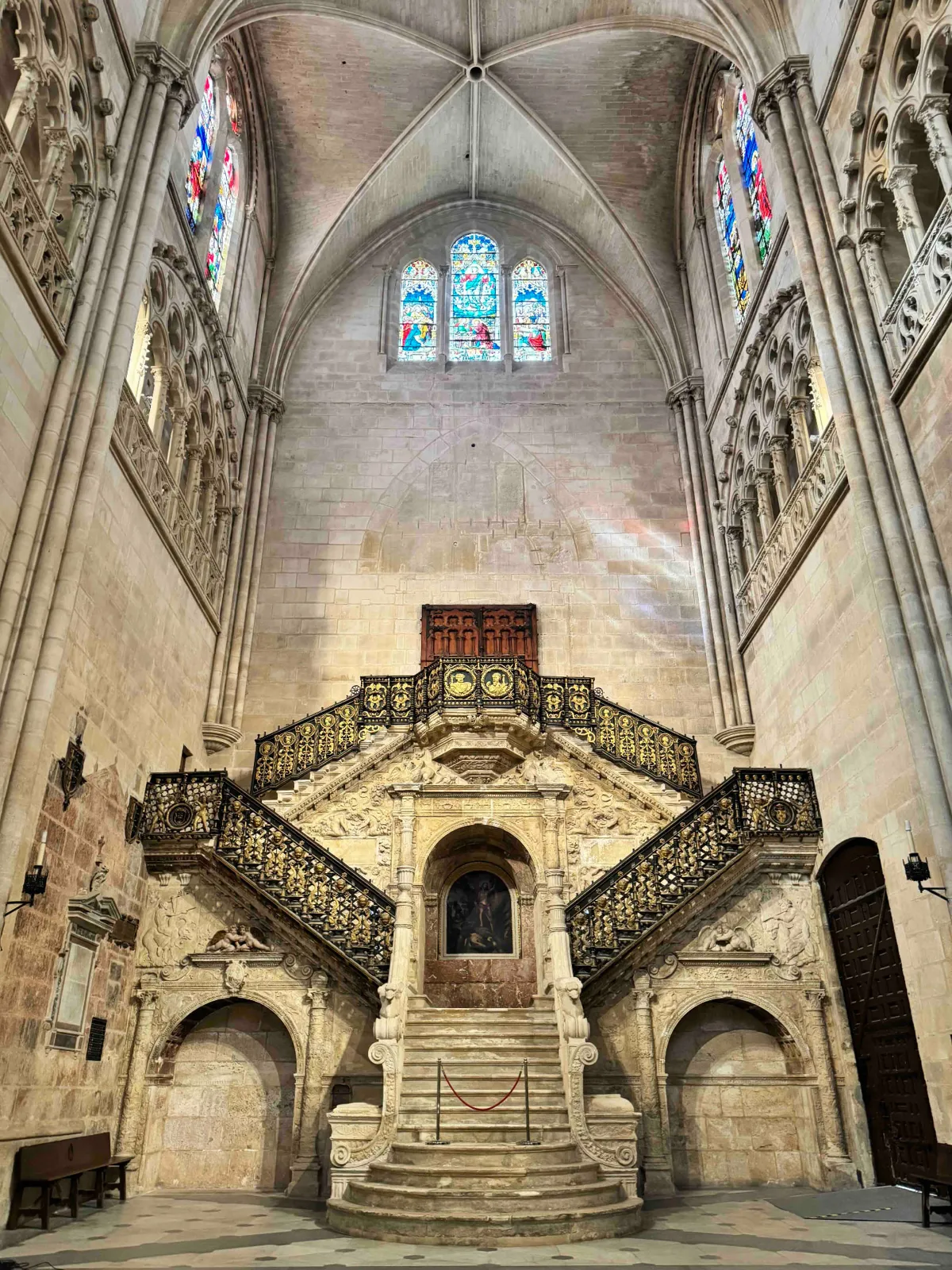
Further north lies Burgos, a city that has been an important crossroads for trade and pilgrims since the Middle Ages. Flemish merchants also passed through here, and today the Camino de Santiago still runs straight through the centre. The highlight is undoubtedly Burgos Cathedral, one of the largest Gothic cathedrals in Spain: a jumble of towers, spires, chapels and works of art. Inside you can easily lose yourself in details, stained glass and sculptures.
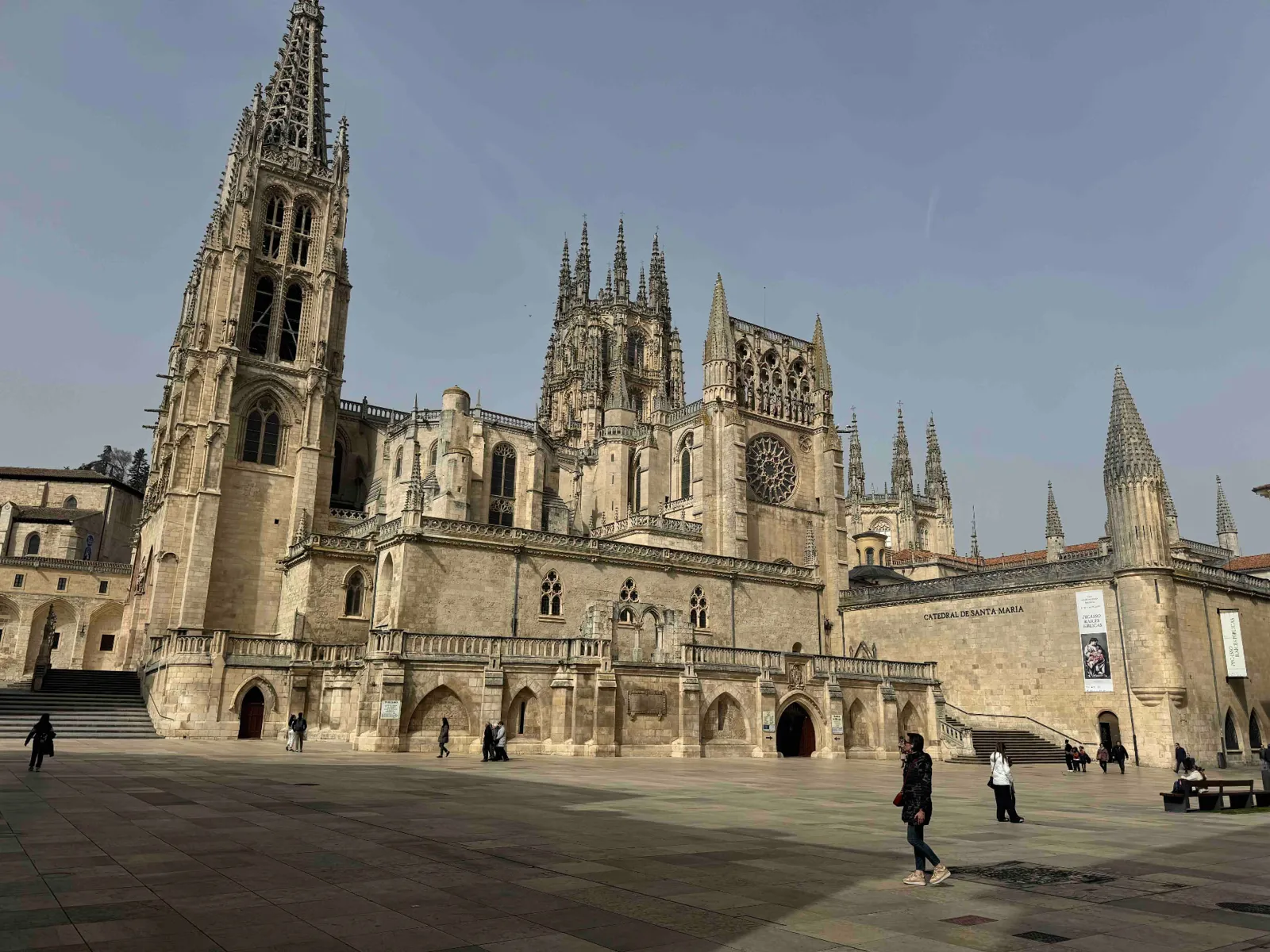
The old centre of Burgos is compact, with pleasant squares such as the Plaza Mayor, the Casa del Cordón, old city gates and plenty of cafés and restaurants. Ideal for a city walk with cultural breaks on a terrace.
Back towards Madrid: La Granja & El Escorial
On the way back to Madrid we made two more particularly interesting stops.
La Granja de San Ildefonso
La Granja is a charming village with royal allure at the foot of the Guadarrama mountains, best known for the royal palace of La Granja, often called “the little Versailles”, with beautiful gardens and fountains. There is a lovely Parador to stay in, and you'll find plenty of good restaurants. I wholeheartedly recommend La Fundición: an atmospheric, slightly industrial setting with refined dishes, creative presentation and an excellent wine list. A place for a long, convivial meal.
El Escorial: power and mystique in stone
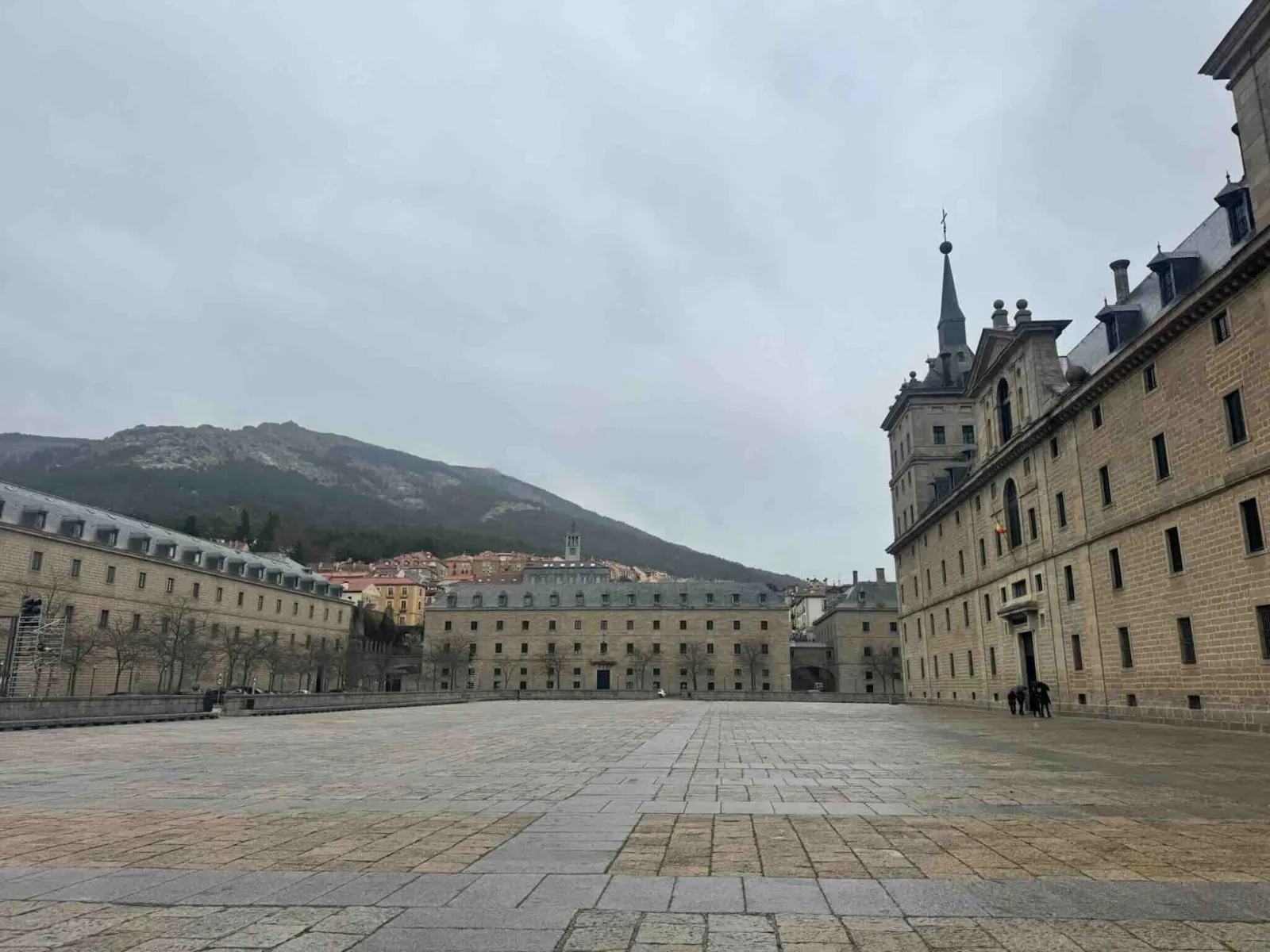
Not far from Madrid lies El Escorial, a huge monastery complex that is at once palace, monastery, basilica and royal pantheon. It is gigantic, impressive and steeped in history. We deliberately chose a private guide so we could linger longer in the rooms that really fascinated us, such as the Panteón de los Reyes (the royal crypt) and the impressive library. For other rooms a brief explanation was enough. Art and history lovers can easily spend half a day or more here. After the visit you can get a good coffee and a tapa at a friendly bar across the square.
Valle de Cuelgamuros: a loaded place
Close to El Escorial lies the Valle de Cuelgamuros, until recently known as the Valle de los Caídos. This place is anything but neutral. It is a megalomaniac project from the era of General Franco. You can see the enormous cross on top of the rock from afar as you climb the winding road. The underground basilica and mausoleum was built in the 1940s and 1950s, largely by political prisoners from the Spanish Civil War.
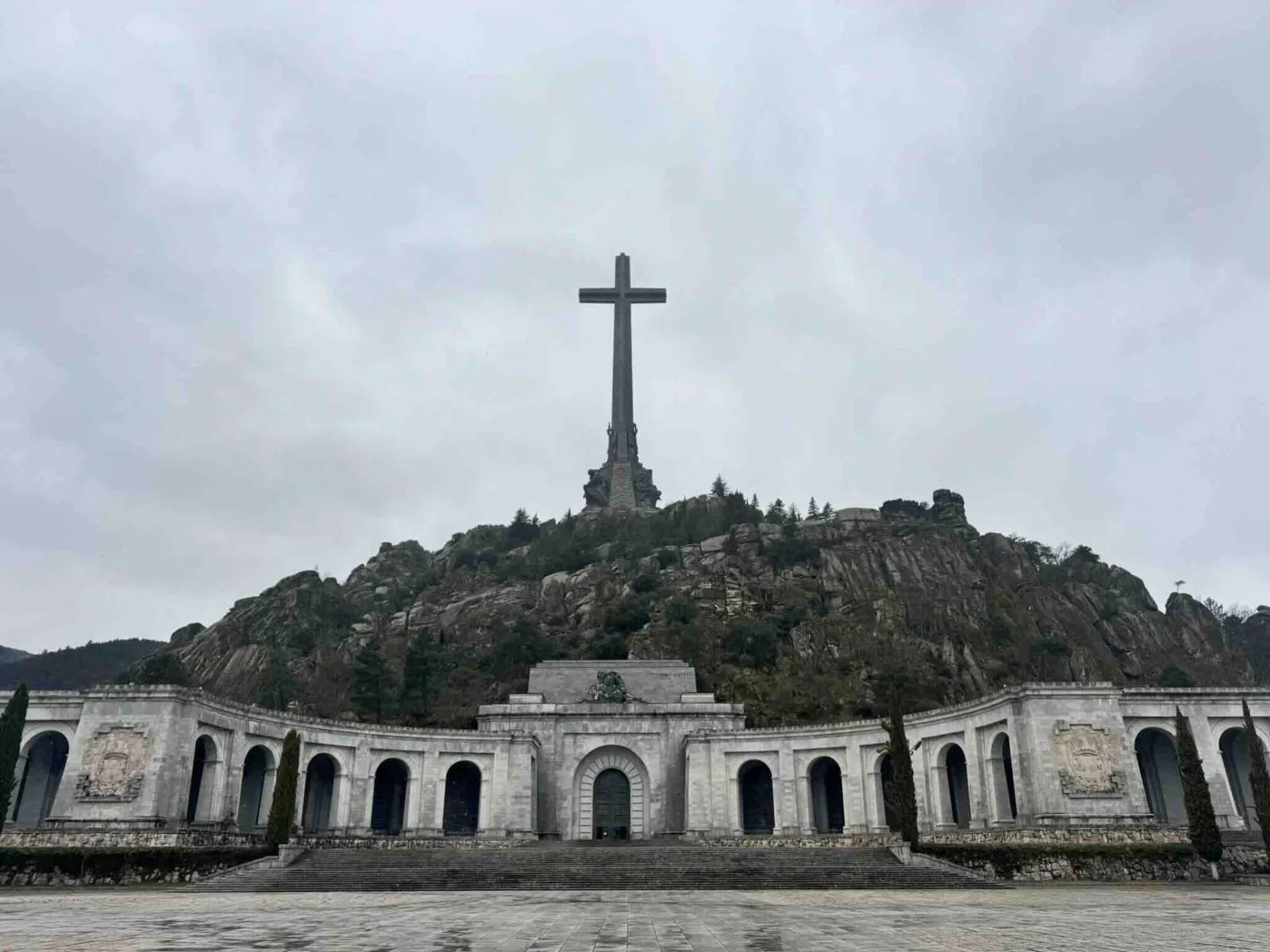
Inside, the space is impressively large and coldly imposing. For years Franco was buried here, until he was exhumed in 2019 and moved to another, discreet cemetery. The aim: to stop this place functioning as a pilgrimage site for supporters of the regime.
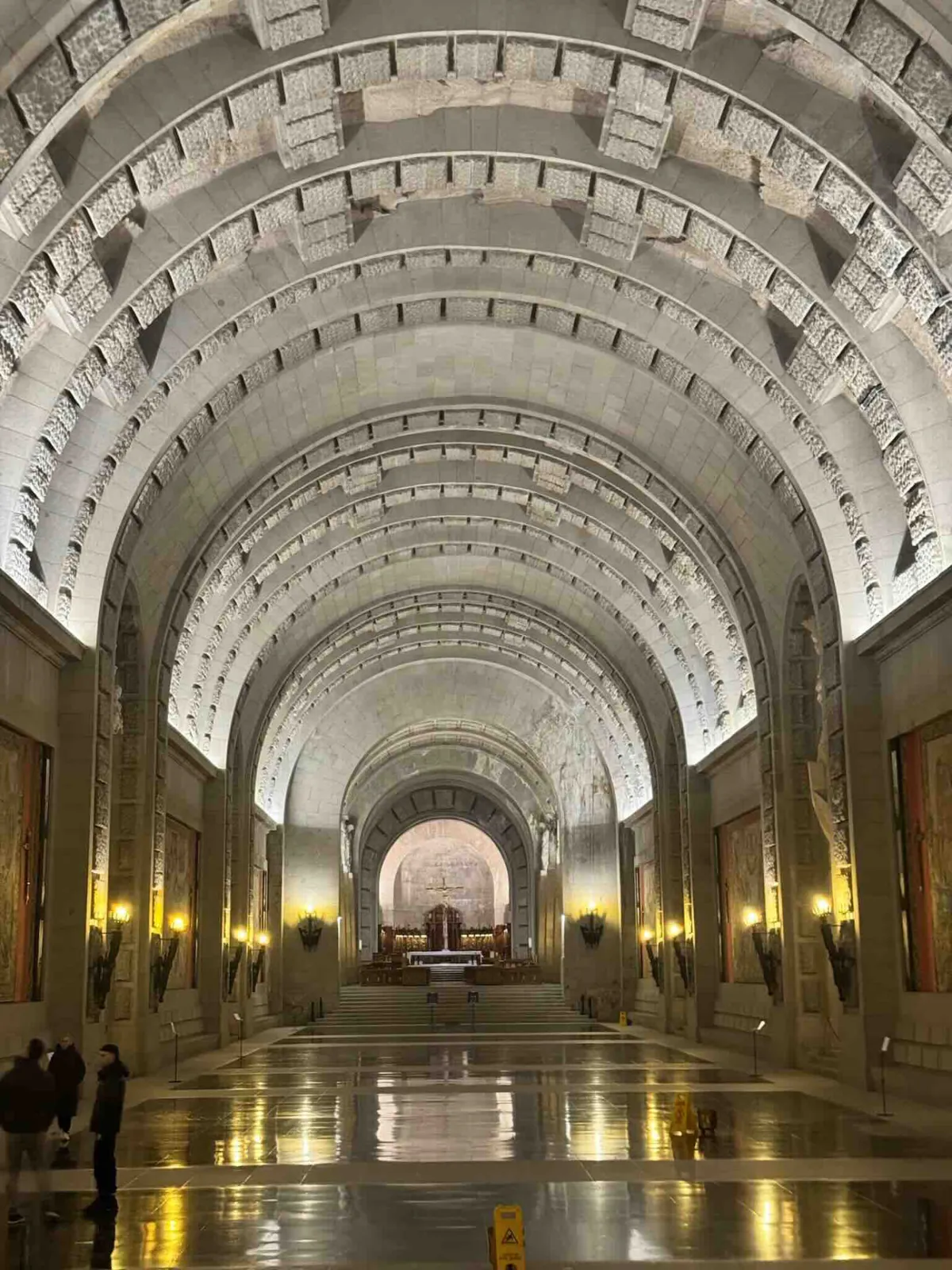
A visit to the Valle de Cuelgamuros is confronting, but also important for better understanding a part of Spain's recent history.
How long and what to combine?
We had six days for this tour, starting and ending at Madrid-Barajas. Our route was as described in this blog. This tour is easy to extend with extra stops, such as:
- León: another beautiful historic city with a cathedral and student life.
- Segovia: famous for its aqueduct and fairy-tale castle.
- Ávila: a city with a fully walled old centre.
- Valladolid or Soria: less well known, but fascinating for those who like to travel off the beaten track.
- And if you have more time: continue to the Basque Country and/or Navarre for green mountains, pintxos and rugged coasts (see separate blog).
Fancy “the other Spain” for a week in spring or autumn?
Castilla y León is ideal for those who love:
- Authentic cities full of history.
- Delicious local gastronomy and top wines.
- Quieter regions, away from the classic tourist hotspots.
- A combination of culture, nature and culinary pleasure.
You dream it, I arrange it
Let's connect if you'd like to plan and book this together.
Tell me what you dream of, I'll design the rest.
Let's connect